

Podcast
CDMS / EDC
Data Visualization – Making Data Comprehensible for Early Interventions
In this podcast we’ll discuss the need for data visualization in clinical trials, how Phastar has continued their trials during a global pandemic, and what their thoughts are on the future of how we collect and view data.

Podcast
DDC
What Does Clinical Trial Innovation Look Like?
In this podcast, we’ll discuss the foundation of our successful partnership, eSource, and the innovative ways we are collaborating with Quartesian on a COVID-19 study currently underway.

Podcast
DCT
Global Pandemic Challenges & Long-Term Strategies for Preparedness
In this podcast we sit down with Mary Mattes, Senior Vice President of Global Operations at Synteract to discuss decentralization of clinical trials and a hybrid model.
Podcast
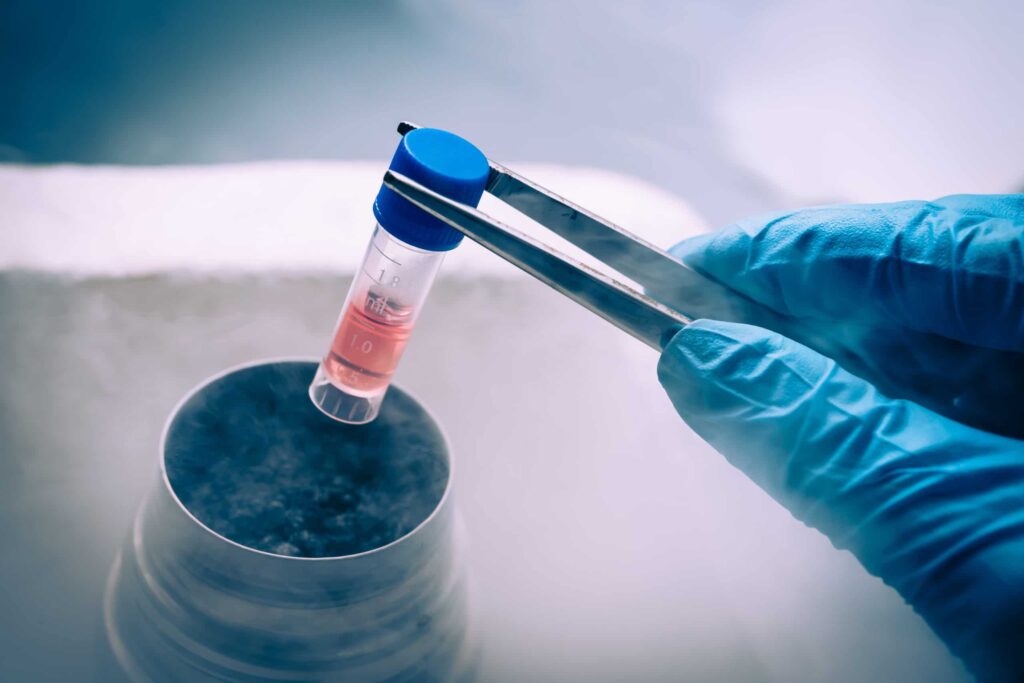
Stem-Cells: One Step Closer to a Cure
In this podcast, the CEO of Hope Biosciences discusses the recent advances in stem-cell research, the potential stem-cells have for curing disease, and what she believes the future may hold.

Podcast
Why Clinical Trials are Thriving in Australia
In this podcast, Yvonne Lungershausen and Sandrien Louwaars discuss how Avance Clinical prepared for the pandemic, what tools they implemented that allowed trial continuation, and why clinical trials are currently thriving in the region.
Webinar
Meet Medrio’s Episode 3: Get Your Devices to Market Faster
This webinar session focused on helping teams identify technology solutions that are efficient, cost-effective, and most importantly, right-sized to get your devices and diagnostics to-market before the competition.